- All
- Product Name
- Product Keyword
- Product Model
- Product Summary
- Product Description
- Multi Field Search

Views: 0 Author: Site Editor Publish Time: 2026-05-22 Origin: Site
Looking for fresh inspiration for your walls? Wall panel design in 2026 brings a wave of excitement with a big focus on nature. Homeowners love panels made from bamboo, reclaimed wood, and even rattan. These materials not only look beautiful but also help the planet.
Warm colors like terracotta, clay, and muted olive green are everywhere, making rooms feel cozy and inviting. Biophilic touches, such as houseplants and organic textures, create a calming vibe. Ready to give your space a stylish upgrade? Discover the difference with george panel.
Natural materials like bamboo and reclaimed wood are trending for wall panels in 2026. They add beauty and support sustainability.
Warm, earthy colors such as terracotta and olive green create inviting spaces. These tones make rooms feel cozy and connected to nature.
Textured designs, like fluted and ribbed panels, add depth and interest to interiors. They can transform any wall into a stunning focal point.
Water-resistant panels are essential for kitchens and bathrooms. Options like PVC and WPC are durable and easy to maintain.
Mixing wood tones enhances visual appeal. Combining light and dark woods creates a layered look that adds character to your space.
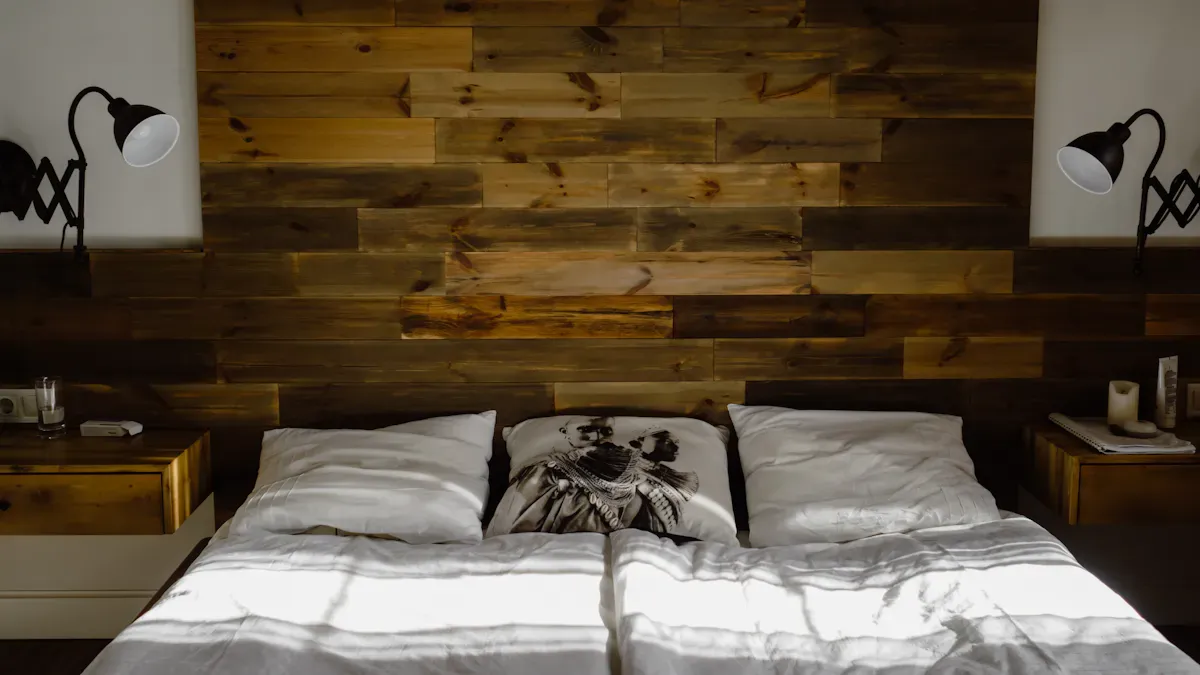
Wall panels are getting a major upgrade in 2026. People want their homes to look good and feel good, too. The latest trends focus on natural materials, eco-friendly choices, and textures that make every room stand out. Let’s break down what’s hot right now.
Wood wall paneling is making a big comeback. Homeowners love the warmth and character that real wood brings to a space. Reclaimed timber is especially popular. It tells a story and gives your walls a unique look that new wood just can’t match.
Consumers and companies are paying more attention to the environment. This shift has led to a rise in demand for green products. Panels made from reclaimed wood are showing up everywhere, from new homes to trendy restaurants.
According to the European Panel Federation, about 30% of wood-based panels in Europe now use reclaimed wood. That’s a huge step toward sustainability.
Why choose reclaimed timber? Here are a few reasons:
It prevents deforestation and supports sustainable forestry.
It reduces waste by reusing old materials.
It has low moisture content, so it doesn’t need energy-heavy kiln drying.
It helps cut down on CO₂ emissions, making it a carbon-negative choice.
The market for solid wood panels is growing fast. Experts predict an 11.3% annual growth rate from 2026 to 2033. People want sustainable, customizable options, and wood wall paneling fits the bill perfectly.
Bamboo is another star in the world of wall panels. It’s strong, grows quickly, and looks amazing. Designers love using bamboo for its natural vibe and eco-friendly reputation. Stone-effect finishes are also trending. They bring the beauty of natural stone without the weight or cost.
Here’s how bamboo and stone-effect finishes are changing interiors:
They add texture and a tactile feel to walls.
Biophilic design is in, and these materials help connect your home to nature.
Textured surfaces like Sienna Limestone and Griffin 3D Wall Panels create cool shadows and depth.
Bamboo Thundra Gray and Iris Travertine panels link your space to the earth’s history.
Let’s compare bamboo to traditional wood:
Criteria | Bamboo Charcoal Veneer | Traditional Wood Veneer |
|---|---|---|
Raw Material | Renewable bamboo | Slow-growing hardwood |
Carbon Footprint | Low | High |
VOC Emissions | Low | Medium |
Sustainability Score | ⭐⭐⭐⭐⭐ | ⭐⭐⭐ |
Bamboo wall panels are a smart pick if you want something stylish and sustainable.
Eco-friendly materials are now the standard for wall panels. People want options that look good and do good for the planet. Composite panels are leading the way. They mix natural fibers with recycled plastics or wood, making them tough and versatile.
Popular choices for 2026 include:
Wood Plastic Composite (WPC): Combines wood fibers and recycled plastics. Great for bathrooms and kitchens.
Medium Density Fiberboard (MDF): Made from recycled wood fibers. Works well for all kinds of designs.
PVC Panels: Lightweight, water-resistant, and often made with recycled content.
Recycled metal: Adds a modern touch and is environmentally responsible.
Wood wall paneling remains a favorite, especially when it comes from responsibly managed forests. Look for FSC (Forest Stewardship Council) certification to make sure your panels are truly eco-friendly.
Here’s a quick list of the most popular wall panel materials for 2026:
Wooden wall panels: Warm and natural, perfect for eco-conscious homes.
Metal wall panels: Sleek and durable, great for modern spaces.
Concrete wall panels: Urban and minimalist.
Gypsum wall panels: Fire-resistant and soundproof.
Fiber and plastic panels: Lightweight and customizable.
Choosing the right material can transform your home. Whether you go for wood wall paneling, bamboo, or a composite, you’ll find plenty of options that are both beautiful and sustainable. For more inspiration and the latest in wall panel design, check out george panel.
Fluted and ribbed panels are making a big splash in wall panel design for 2026. These panels bring a sense of movement and depth to any interior. Ribbed panels stand out with bold, outward-curving ridges.
They create a strong architectural look, especially on large surfaces like TV walls or entryways. Fluted panels, on the other hand, have soft, inward-curving grooves. They offer a more decorative touch and work well on kitchen islands, bar fronts, and even bathroom vanities.
Tip: Fluted panels look amazing as accent walls in living rooms or as dramatic headboards in bedrooms. Try them in unexpected places for a modern twist.
Designers love how these panels blend modern and mid-century styles. The textural qualities of fluted and ribbed panels add interest and warmth, especially when paired with sustainable materials.
You’ll see these textured panels popping up everywhere as people look for ways to make their spaces feel unique and inviting.
Tongue and groove wall panel design is everywhere right now. This style is a favorite in both new builds and renovations. It gives walls a seamless look by hiding joints, which makes rooms feel clean and polished.
Tongue and groove panels also let wood expand and contract naturally, so they last longer and look better over time.
Many designers choose tongue and groove for its classic vibe. It’s a great alternative to shiplap and works well in both homes and commercial spaces.
If you want to keep the historical charm of an older house, this style is a smart pick. It fits right in with upscale interiors and adds a touch of craftsmanship that never goes out of style.
Marble and hexagonal patterns are taking wall panel design to the next level. These patterns create rhythm and drama, making rooms feel bigger and more dynamic. Geometric tile patterns, especially hexagons, add expressive character to any space. They anchor a room with bold shapes and rich materials.
Geometric tile patterns boost visual volume and spaciousness.
Hexagon mosaics bring personality and a modern edge.
Marble mosaics add luxury and a tactile quality, making spaces feel warm and fluid.
If you want your interior to stand out, try mixing marble with hexagonal shapes. The result is a look that feels both timeless and fresh.
Modern wainscoting is back, but with a twist. Today’s wainscoting blends classic details with simple, clean lines. It’s not just about tradition—it’s about adding texture and visual weight to your walls. You can go for a simple chair rail or cover the whole wall for a bold statement.
Here’s how modern wainscoting is being reimagined:
Design Element | Description |
|---|---|
Classic Home Elements | Wood trim and vintage fixtures add depth and texture to modern interiors. |
Hardwood Floors | Reinforce a home’s architectural identity and bring warmth. |
Modern and Vintage Lighting | Personalize your space and enhance the overall design. |
Visual Interest | Pair traditional wainscoting with contemporary art for a dynamic contrast. |
Wainscoting works in almost any room. It adds a layer of sophistication and helps balance old and new styles. Try it in a hallway, dining room, or even a bedroom for a touch of elegance.
Mixing wood tones is a top trend in wall panel design for 2026. Don’t be afraid to combine light and dark woods in one room. This approach adds character and keeps your space from looking flat or boring.
Creates visual interest and depth.
Dark woods make big rooms feel cozier.
Light woods can make small rooms seem taller.
Mixing tones lets you show off your personal style.
When you mix wood tones, you give your interior a layered look. The room feels more complete and thoughtfully designed. Wood panels can shape a space by adding rhythm and changing how you see the room’s size. Try mixing horizontal and vertical slats for even more impact.
Wall panel design in 2026 is all about creativity, texture, and personal expression. Whether you love fluted panels, tongue and groove, marble patterns, or a mix of wood tones, there’s a style for every taste. For more ideas and the latest trends, explore george panel.
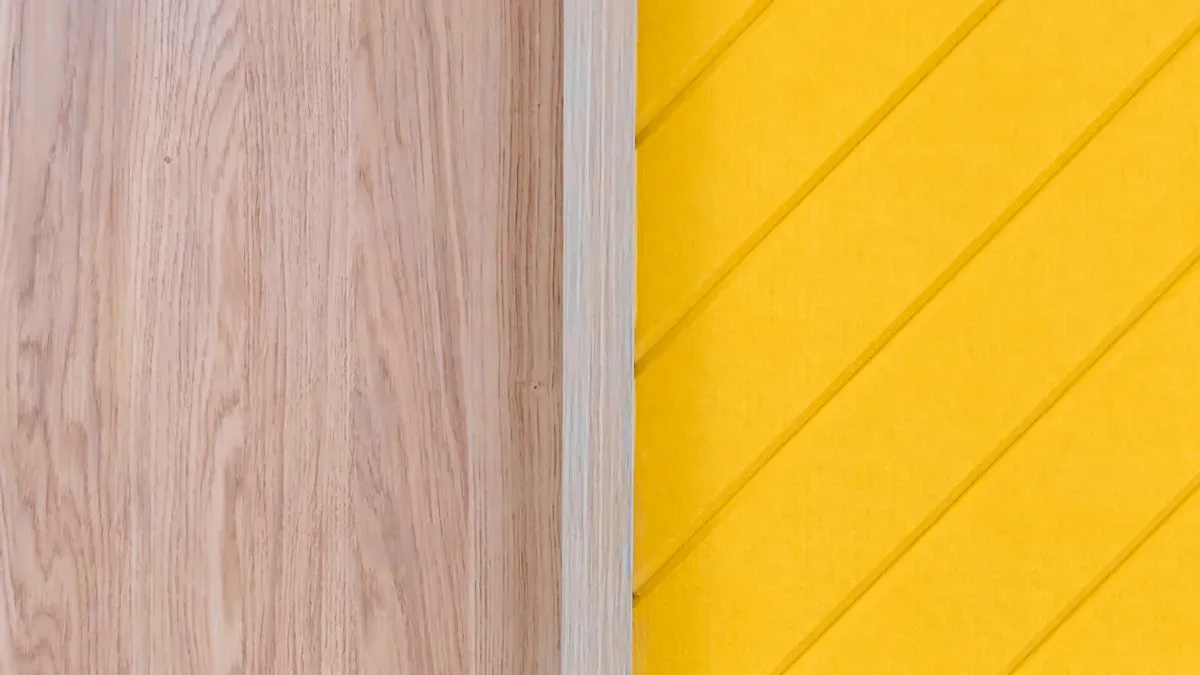
Choosing the right color for your wall panels can completely change the mood of a room. The 2026 wall panel color trends focus on natural, warm, and restrained palettes that make spaces feel inviting and stylish. Let’s explore what’s popular and how these colors can transform your home.
Earthy and warm tones are leading the way in 2026 wall panel color trends. Think clay, terracotta, and soft olive green. These shades create a welcoming and comforting environment. Warm colors seem to move closer to you, making rooms feel more intimate and cozy. They also bring a sense of safety and familiarity, which is perfect for smaller spaces or areas where you want to relax.
Warm tones add emotional depth and a sense of calm.
Earth greens and clay tones connect your home to nature.
These colors work well in living rooms, bedrooms, and entryways.
Soft neutrals are always in style, but they’re especially big in 2026. Natural neutral tones like beige and warm gray act as a foundation for any design. These shades have calming and balancing properties.
They help create a serene environment that promotes mental clarity and focus. Soft neutrals also make rooms feel bigger and brighter, turning any space into a peaceful retreat.
Tip: Pair soft neutrals with textured wall panels for a modern, layered look.
Accent colors are the secret to making your wall panels stand out. In 2026, muted shades like dusty blue, soft lavender, and taupe are popular choices. These colors introduce subtle variation while keeping the overall look harmonious.
Designers also love using accent colors like terracotta, olive green, and charcoal to create focal points. Textured finishes, such as grass cloth or linen weaves, add even more depth and interest.
Trend | Description |
|---|---|
Natural Neutrals | Beige and warm gray inspired by natural materials for timeless versatility. |
Earth Greens & Clay | Low-saturation greens and earthy tones for warmth and calm. |
Restrained Accents | Muted blues and lavenders for subtle, stylish variation. |
No matter which palette you choose, the 2026 wall panel color trends help you create a space that feels both modern and comfortable. For more inspiration and the latest designs, check out Pufeite panel.
Wall panels do more than just look good—they make your home more comfortable and practical. Let’s check out how the latest designs add real value to your space.
Kitchens, bathrooms, and laundry rooms need extra protection from moisture. That’s where water-resistant slat panels come in. These panels are built to handle splashes, steam, and humidity without warping or peeling. Some of the best choices include:
Wood Plastic Composite (WPC): Combines wood fibers and recycled plastics for strong moisture resistance. Great for kitchens and bathrooms.
PVC panels: Lightweight, water-resistant, and easy to clean. Perfect for humid spaces and busy families.
Bamboo charcoal wall panels: Durable, eco-friendly, and ideal for high-traffic or wet areas.
Water-resistant slat panels are also low maintenance, so you spend less time cleaning and more time enjoying your home.
Open floor plans and busy households can get noisy. Acoustic wall panels help absorb sound, making rooms quieter and more peaceful. Here’s what they do:
Absorb extra sound energy at the source.
Reduce echo in open spaces.
Bring clarity back into the room.
Create a calm and focused environment, perfect for bedrooms or home offices.
Decorative sound-absorbing panels also add style while making your home more comfortable. You’ll notice the difference in both comfort and focus.
Some wall panels are tough enough for outdoor use or high-moisture spots. Flexible tiles work well in salty, humid, or moving environments. They’re easy to install and keep costs down over time.
PVC panels are another smart pick for exteriors—they’re water-resistant, lightweight, and require little upkeep. Bamboo charcoal wall panels are not only durable and eco-friendly but also look great outside.
If you want a home that’s stylish, quiet, and easy to care for, wall panels are a smart investment. For more ideas and the latest options, explore Pufeite pane.
Accent walls are a favorite in interior design trends for 2026. Want to make your living room pop? Try wood paneling in a lighter or darker tone to create a statement wall. You can also use panels on the ceiling for extra warmth and character.
Modern wainscoting with clean lines gives a fresh twist to a classic look. Built-in shelving and niches with wood panels add both style and function. If you care about the planet, choose reclaimed wood or eco-friendly materials for a nature-led aesthetic.
Tip: Mix different wood tones or add textured panels for a layered, modern vibe.
Bathrooms need wall panels that can handle moisture and still look great. Interior design trends point to materials like Wood Plastic Composite (WPC), Medium Density Fiberboard (MDF), and PVC panels. These options are water-resistant and easy to clean. Solid wood works too, especially if you want a warm, spa-like feel. Try using panels behind the vanity or in the shower area for a stylish upgrade.
WPC: Durable and moisture-proof
MDF: Smooth and versatile
PVC: Lightweight and water-resistant
Solid wood: Timeless and unique
Bedrooms are getting a cozy boost from wall panels. Many interior trends show wood paneling behind the bed as a feature wall. Natural wood tones and visible grain add warmth and a grounded energy. Faux wood panels are a smart choice if you want something lightweight and durable.
Textured wood panels and sleek metal sheets are also in demand for residential and commercial spaces. A panel headboard creates a sophisticated focal point and makes your bedroom feel special.
Entryways and hallways set the tone for your whole home. 3D wall panels are a top pick in interior design trends because they play with light and shadow, adding instant interest. Flat panels give a modern, structured look and make spaces feel bigger.
Lighter wood tones create a calm vibe, while darker panels draw the eye. Wall panels can even boost your home’s resale value by up to 15%, making them a smart choice for both residential and commercial spaces.
Want more ideas? Explore the latest interior trends and wall panel solutions with george panel.
Wall panel design in 2026 is all about warmth, texture, and personal style. Natural materials and cozy colors help create inviting spaces that feel relaxing and lived-in. Sustainable choices not only look great but also boost your home’s value and appeal to eco-conscious buyers. Ready to get started?
Talk to a pro about the latest trends.
Pick styles that fit each room’s needs.
Think about your home’s architecture.
Choose eco-friendly materials.
Plan your installation with experts.
For more inspiration and expert help, check out Pufeite pane.
Natural wood, bamboo, and eco-friendly composites are top picks. These materials look great and help the planet. You can also try stone-effect finishes for a modern touch.
Yes! Acoustic wall panels absorb noise and reduce echo. They work well in bedrooms, home offices, and living rooms. You’ll notice a quieter, more peaceful space.
Absolutely. Water-resistant panels like WPC, PVC, and bamboo charcoal work well in bathrooms. They handle moisture and are easy to clean. Just pick the right material for wet areas.
Think about the mood you want. Warm tones feel cozy. Soft neutrals make rooms look bigger. Accent colors add personality. Try samples before you decide.
You can explore more inspiration and expert tips at george panel. Their latest designs and materials will help you create a stylish, modern home.


